Leather – the circular choice
2026 will be remembered as a record year but for all the wrong reasons. In July, the World’s oceans reached the
highest temperature ever recorded in that month. The average global temperature in July also matched the
highest ever recorded, which was only two years ago in 2024. Wildfires ravaged Europe driven by extremely dry
conditions and high temperatures linked to El Niño. The need for action on climate change has never been
clearer.
The materials used in the products we buy are a significant contributor to the greenhouse gases (GHG) driving
climate change. It is estimated that the global textile and apparel industry is responsible for 8-10% of GHG
emissions due to energy-intensive fibre production, the use of fossil fuels to manufacture synthetic fibres,
chemical processing and the huge amount of waste associated with the fast fashion industry. This impact is
driving strategy, policy and regulation to address, mitigate and ultimately eliminate these impacts such as the
European Union’s Ecodesign for Sustainable Products regulation which will introduce digital product passports,
giving consumers unparalleled insight into where their products come from, how they are made and their impact
on the environment, helping them to make more sustainable choices.
There is also increasing momentum towards the circular economy with a particular focus on biobased materials to
reduce the current dependency on fossil fuels. For example, the European Union's Bioeconomy Strategy is a
comprehensive strategic framework to drive green growth, industrial competitiveness, and resource resilience
with a focus toward replacing fossil fuels with sustainable, circular biobased materials. Biotechnology and
biomanufacturing are highlighted as important enablers for the bioeconomy at large, which cover all sectors and
systems that rely on biological resources, their functions and principles (ecosystems, animals, plants, micro-
organisms and derived biomass, wood, including organic waste).
In the rush to new solutions, it is essential that the biobased materials that have served mankind for millennia are
not overlooked: natural materials like leather and wool are part of the solution to the climate challenge. Leather,
wool and other natural materials are derived from biobased raw materials, produced by agriculture. However, in
recent years, leather in particular has been denigrated because of its link to livestock rearing. Leather is accused
of being a driver of livestock- GHG, deforestation and other harm to the environment. Much of this is based on
the erroneous claim that livestock are reared for leather production and that hides and skins are critical to the
financial viability of the meat sector. This and environmental impact assessments based on old, incomplete and
inaccurate data has led to concerns for manufacturers and consumers about the environmental impact of leather.
However, a growing body of scientific insight is dismantling this narrative. Hides and skins used for leather are
overwhelmingly derived as a by-product from the production of meat. The recently published UNIDO ‘Guidelines
for assessing the environmental footprint of leather’ found that ‘Hides and skins from animals slaughtered for
human food consumption purposes … are by definition not drivers of environmental change’.
Furthermore, demand for hides and skins has no impact on the numbers of animals reared and slaughtered.
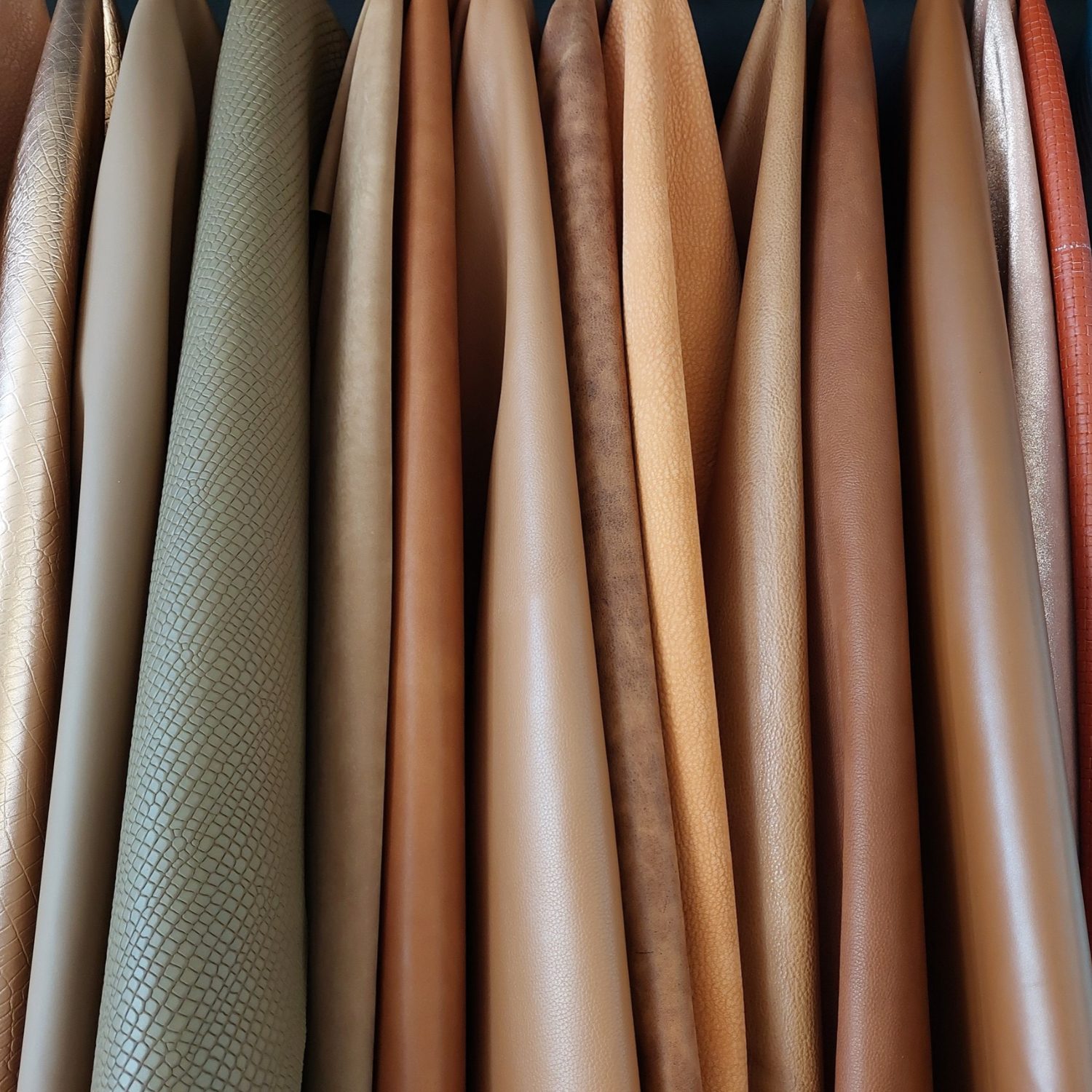
Research has shown that leather has a high biobased content4 and is readily biodegradable5. Yet, because it is durable and repairable, leather products can be made to last a lifetime, slowing down the cycle of consumption. And all this while avoiding the waste of the organic by-product of another industry. In short, leather is the ideal material to meet the demands of a biobased, circular economy and must be recognised as such in the strategies, policies and regulations that will govern the future of materials.
Therefore, we, the undersigned organisations, again request the COP to endorse our call to:
- Recognise the cyclical, climate efficient nature of leather and its potential for a positive contribution to reducing the climate impacts of consumer products.
- In keeping with the aspiration for reduced consumption, greater circularity and reduced waste, to promote ‘slow fashion’, durable bio-based materials and products that can be used many times, repaired and refurbished, and last for years, such as those made from leather.
- Wherever feasible to encourage the use of natural renewable fibres like leather and reduce unnecessary reliance on fossil-fuel-based materials.
Signatories to the Leather Manifesto
• Alliance France du Cuir (AFC)
• Asociación Española del Curtido (ACEXPIEL)
• Association pour l’Assurance Qualité des Fabricants de Bracelets Cuir (AQC)
• Australian Hide Skin and Leather Exporters' Association Inc (ASHLEA)
• Centre for the Brazilian Tanning Industry (CICB)
• Centro Tecnológico das Indústrias do Couro (CTIC)
• Chamber of the Tannery Industry of the State of Guanajuato (CICUR)
• China Leather Industry Association (CLIA)
• Confederation of National Associations of Tanners and Dressers of the European Community
(COTANCE)
• Fédération Française des Cuirs et Peaux (FFCP)
• Fédération Française Tannerie Megisserie (FFTM)
• Global Leather Alliance (GLA)
• International Council of Hides, Skins and Leather Traders Association (ICSHLTA)
• International Council of Tanners (ICT)
• International Union of Leather Technologists and Chemists Societies (IULTCS)
• Kenya Association of Leather Technologists and Scientists (KALTS)
• Leather Cluster Barcelona (LCB)
• Leather & Hide Council of America (LHCA)
• Leather Naturally (LN)
• Leather UK (LUK)
• One 4 Leather (O4L)
• Sustainable Leather Foundation (SLF)
• Tanners Association of Kenya (TAK)
• Türkiye Deri Sanayicileri Derneği (TDSD)
• UNIC Concerie Italiane (UNIC)
• Wirtschaftsverband Häute/Leder (WHL)
• Zimbabwe Leather Development Council (ZLDC)
#Construirofuturo